Connective Tissue Mobilisation
Connective tissue is the “packing” tissue of the body, and fills in the spaces between the commonly known tissues such as muscle, ligament, tendon and bone. It connects the different ‘layers’ of the body.
There are different types of specialised connective tissue, some of which are known by specific names such as fascia and fatpads, but it is integral with all the structures of the body, and is often forgotten when considering injuries and rehabilitation.
All types of connective tissue have practical functions in ensuring the body is biomechanically effective. Connective tissue can be damaged in the same way that other tissues can be affected. Mobilisation of the tissue ensures that all the linking structures are able to move to their best effect.
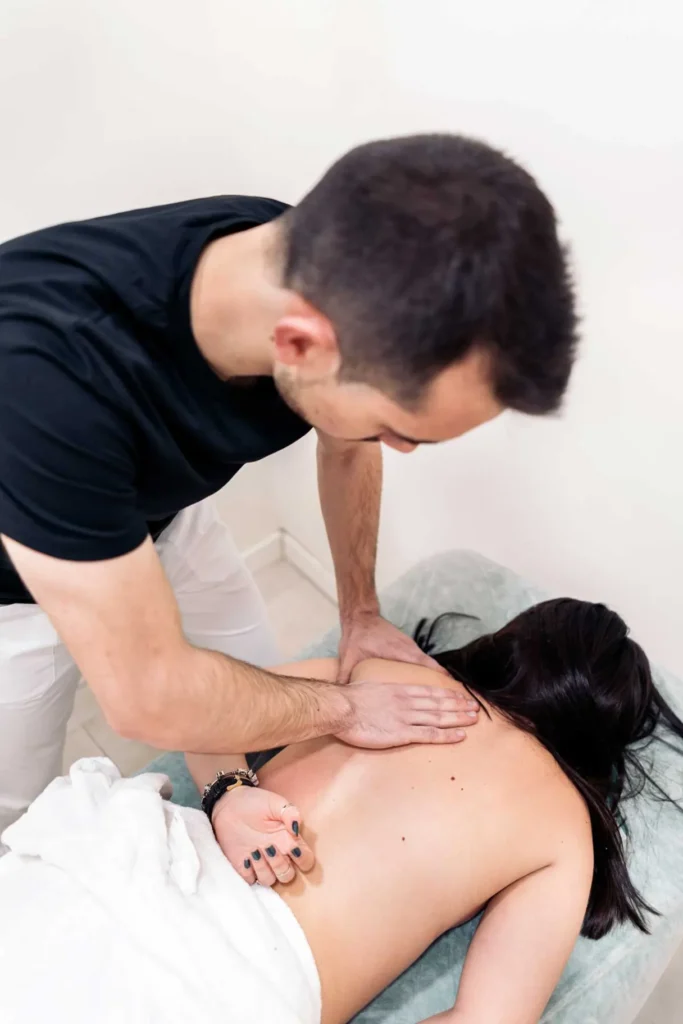
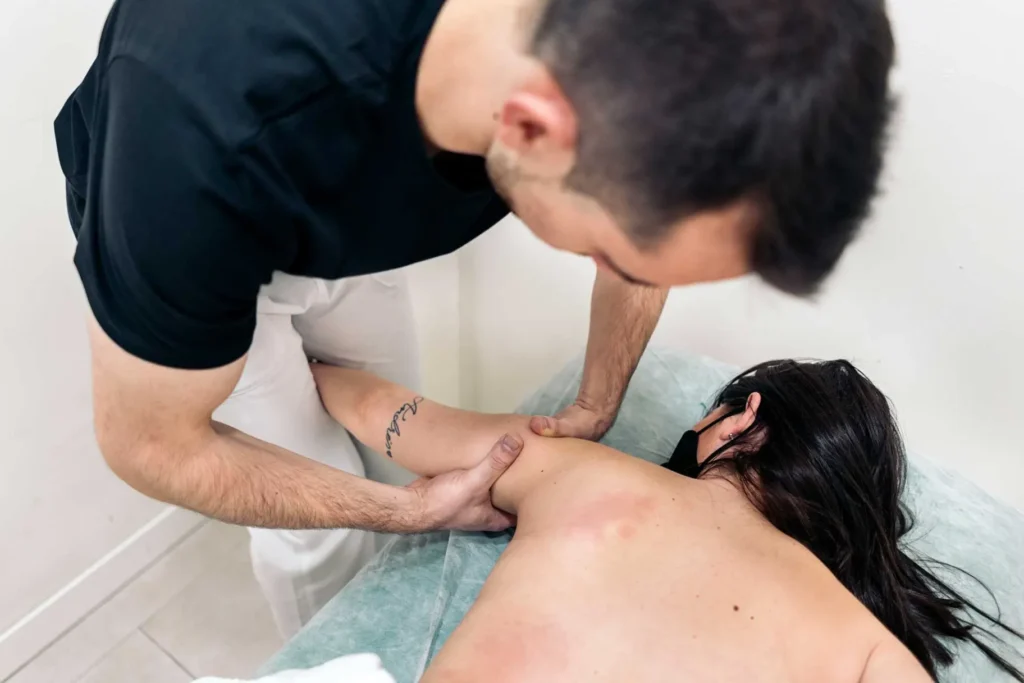
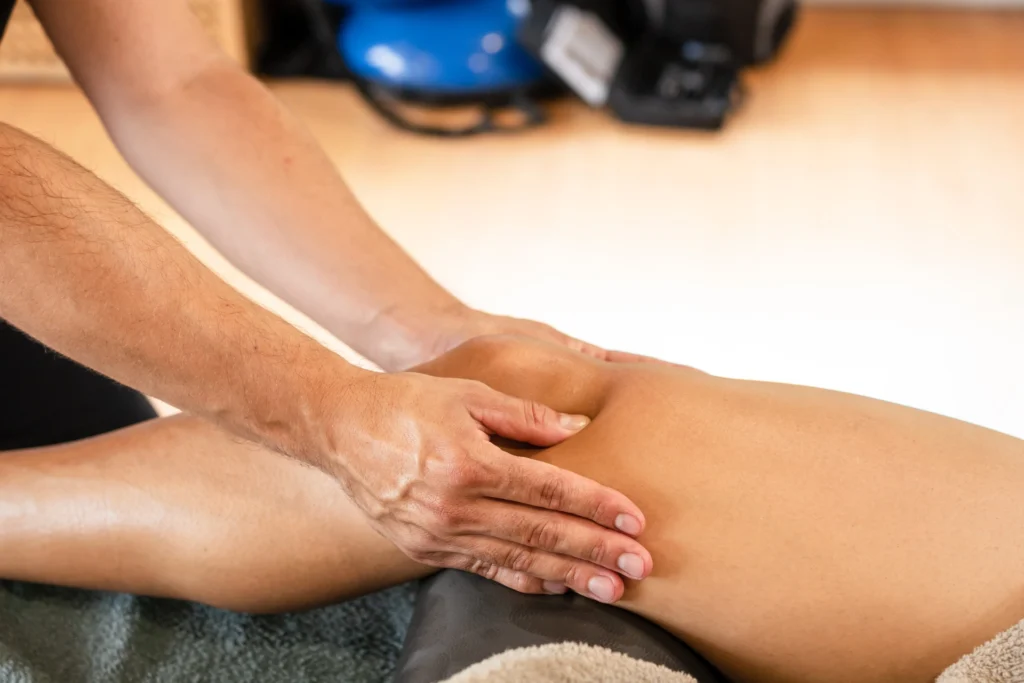
Many of our Musculoskeletal Physiotherapists use connective tissue mobilisation and some even specialise in this area. The treatment is often very gentle and involves moving interfacing structures in relation to one another to restore normal biomechanics between the planes of tissues. Occasionally it may be stronger, where a particular area requires it.
Any injury causing scarring or immobilisation can have an effect on the movement of connective tissue and thus this treatment approach may well be a useful adjunct for injuries including periods of immobilisation, re-education of faulty movement patterns, following surgery, sports injuries and most areas of rehabilitation.
To discuss this form of treatment further or to make an appointment for an assessment, please contact us on 01483 424505 or info@bevanwilson.co.uk.